A Holistic, Low-Toxin Campus
Caring for the Whole Child:
Mind, Body and Spirit
At The Village Community School of Sarasota, we believe a child’s environment matters.
Children learn, grow and flourish best when they feel safe, nourished, supported and connected—to God, to one another and to the natural world around them. That is why VCSS takes a thoughtful, holistic approach to campus wellness.
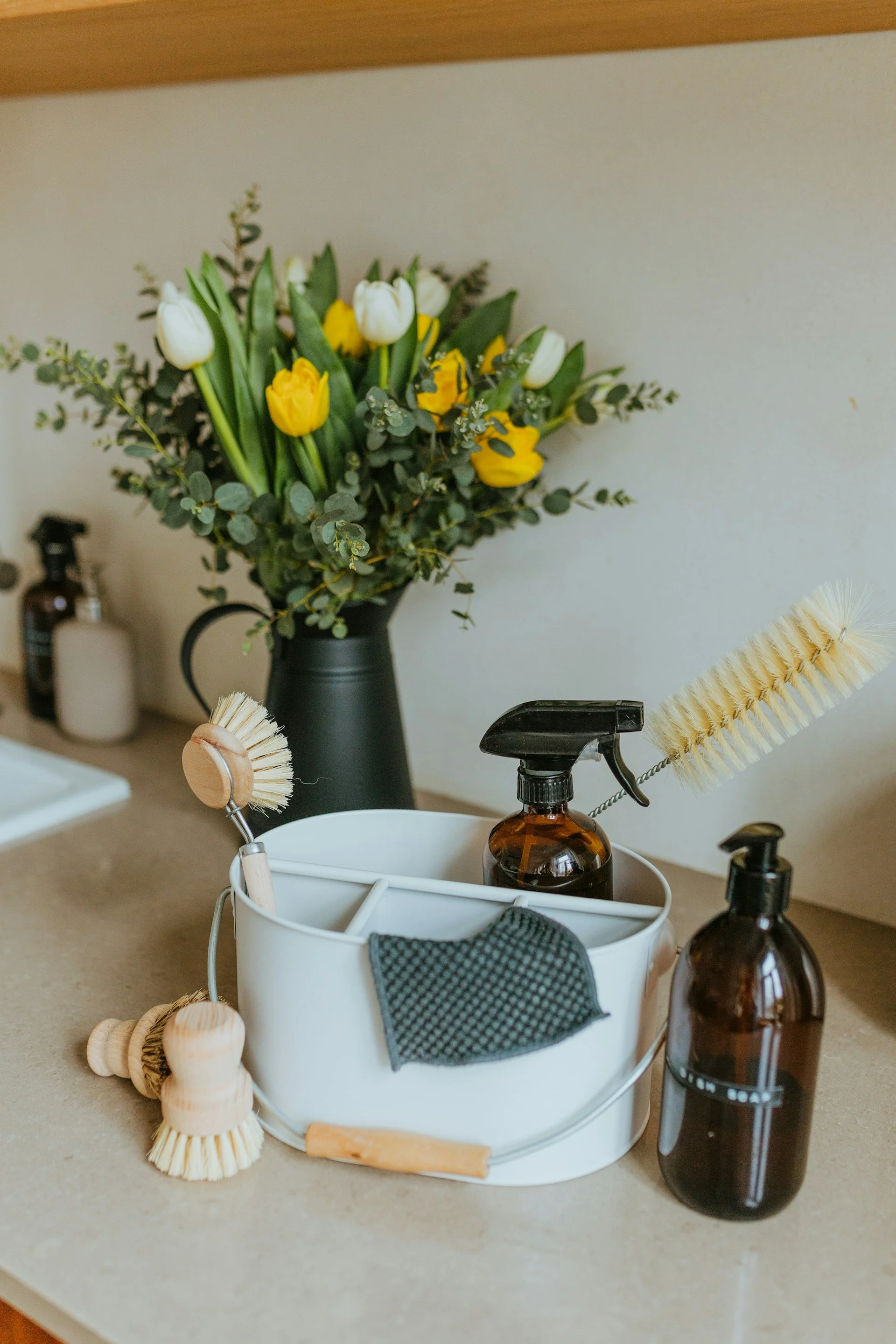
From the products we use to clean our classrooms to the water our students drink, we seek to make intentional choices that reduce unnecessary chemical exposure and support the well-being of our students, families and staff.

A Health-Conscious Learning Environment
Many families work hard to create healthier homes. We believe those values should not have to end at the classroom door.
VCSS is committed to maintaining a campus that is clean, welcoming and mindful of the substances children encounter throughout the school day. While no environment can be completely free from every potential irritant or exposure, we continually evaluate our practices and choose lower-toxin alternatives whenever reasonably possible.
Our campus wellness practices include:
Using thoughtfully selected, non-toxic cleaning products whenever possible
Providing air purifiers in many campus rooms
Maintaining a fragrance-free campus, apart from limited and intentional essential-oil use
Conducting annual mold testing as a proactive campus-safety measure
Reducing unnecessary plastic use whenever practical
Choosing organic products and materials when available and financially feasible
Providing clean, UV multi-filtered drinking water for students and families
These choices reflect a simple belief: children deserve learning spaces designed with their health in mind.
Our Holistic and Low-Toxin Values
-
Synthetic fragrances can be distracting or uncomfortable for children and adults with allergies, asthma, migraines, sensory sensitivities or chemical sensitivities.
To help create a more comfortable environment for everyone, VCSS is a fragrance-free school. We ask students, staff and visiting families to avoid strongly scented perfumes, body sprays, lotions, hair products and similar items while on campus.
Essential oils may be used occasionally and intentionally as part of certain lessons, natural first-aid education or campus practices. When appropriate, families will be informed, and individual sensitivities should be communicated to the school.
Our goal is not perfection. It is consideration.
-
Indoor air quality plays an important role in creating a comfortable learning environment.
Many VCSS rooms are equipped with air purifiers to help support cleaner indoor air. The campus is also mold-tested annually as part of our proactive approach to maintaining healthy learning spaces.
These practices do not replace careful observation, maintenance or communication. Families are encouraged to notify VCSS if their child has environmental sensitivities that may require additional consideration.
-
Hydration supports attention, energy and overall well-being.
VCSS provides clean, UV multi-filtered drinking water on campus for students and families. We encourage children to bring reusable water bottles so they can remain hydrated throughout a day of academics, outdoor exploration, hands-on projects and active learning.
Whenever possible, we also seek to reduce reliance on single-use plastics and choose reusable, durable alternatives.
-
Nourished Children Are Better Prepared to Learn.
Food affects more than hunger. It can influence a child’s energy, concentration, mood and ability to participate fully in the school day.
VCSS encourages families to send nourishing meals and snacks made from simple, wholesome ingredients. We ask families to avoid or limit foods that may make it more difficult for children to feel and function at their best.
Foods discouraged on campus include:
Fast food
Highly processed snacks and meals
Foods containing artificial dyes
Products with excessive added sugar
Heavily sweetened drinks
Foods filled with unnecessary artificial ingredients
We understand that every family has different dietary needs, budgets and health considerations. Our purpose is not to judge what families eat. It is to create a shared culture that encourages thoughtful choices and supports children’s ability to thrive.
Strong foundations help build strong learners.
-
At VCSS, the garden is more than a place where plants grow. It is a living classroom.
Students may help cultivate medicinal herbs and learn about their traditional uses, identifying characteristics, growing requirements and historical significance. Age-appropriate lessons can introduce children to the ways plants have been used throughout history to support everyday wellness and basic first-aid practices.
Through these experiences, students learn to:
Plant, tend and harvest useful herbs
Observe the properties and life cycles of plants
Practice responsible stewardship
Understand the difference between traditional knowledge and medical care
Use wisdom and caution when working with natural materials
Appreciate the order, beauty and provision found in God’s creation
Children are taught that “natural” does not automatically mean safe and that herbs should never be tasted, prepared or used without knowledgeable adult supervision.
Natural first-aid education gives students a respectful, practical introduction to plant knowledge, safety and stewardship.
-
A seed does not become a flourishing plant overnight.
It must be planted, watered, protected and patiently tended. In much the same way, children need healthy foundations, meaningful relationships, wise guidance and room to grow.
In the VCSS garden, students will utilize organic growing practices and experience lessons that cannot be fully understood through a worksheet:
Plant. Wait. Tend. Trust. Harvest. Sometimes, replant.
They discover that growth takes time. They learn that the work of tending matters even when the harvest cannot yet be seen. They begin to understand what it means to faithfully cultivate what God has entrusted to them.
Whole-Child Education
Education Should Prepare Children for Life
A holistic learning environment is not created by one air purifier, one garden bed or one healthier lunch.
It is created through a culture that recognizes the whole child.
At The Village Community School of Sarasota, we care about:
-What children learn
-How they are treated
-What they breathe, drink and eat
-How much time they spend moving and outdoors
-Whether they feel known and valued
-Whether they are developing confidence and capability
-Whether their faith is being strengthened
-Whether they are learning to care for themselves, others and the world God has entrusted to them